


Author Ana Prada
At the beginning of 2024, the Andean countries of Chile and Colombia suffered massive wildfires in strategic ecosystems and urban areas. By the end of February, Colombia reported 17,000 hectares burned, equivalent to 25 football fields, with losses in endemic species for which exact figures are still unknown but invaluable for the generation of non-renewable resources like water. Meanwhile, Chile reported 51,783.01 hectares consumed by fire, nearly twice the entire Sacred Valley of Machu Picchu. The wildfires in Chile claimed over 112 lives. Despite various hypotheses about the cause of these massive fires in both countries, there is a widespread consensus on the need to seek alternatives to prevent fires and their spread.
According to the Ministry of Environment of Spain, only 2% of forest fires are caused by natural factors, making it essential to reflect on and act upon ways to prevent fires. One of these alternatives could be the implementation of agroecological practices.
According to Leidy Casimiro, because agroecology is a practice implemented by people who love the land and cherish life, their relationship with the land and territories is configured in a prophylactic manner, in cooperation between the social system and the ecosystem, minimizing the risk of human-initiated fires. In agroecological territories, there is also a favourable mentality to act promptly in case of fires, preventing their spread sustainably. «If there were fires, they would be resolved sustainably. That’s the case here in Cuba, where we have fires every year due to droughts, in common areas or state-owned areas, in common areas where there are family farms, but families take care of their system» Leidy points out.
What is agroecology?
According to Miguel Altieri, agroecology is based on the principles of efficiency, recycling, soil care, generation of interactions and synergies, and conservation of diversity. For Fernanda Meneses, an Ecuadorian seed guardian, agroecology is a way of life that promotes synergies among all elements existing in an ecosystem.
In this sense, Milton Machado, a Colombian farmer, suggests that agroecology extinguishes fires because when a comprehensive agroecological project is implemented, hydrological designs are taken into account, which consist of studies of the topography of a place, including studies of water, which are fundamental. In agroecological territories, hydrological design facilitates the rational and adequate use of water. Milton adds that when a good agroecological project is built, organic matter is also built, which is basically soil physics, ensuring that soils maintain optimal moisture levels, thus preventing fire ignitions.
Here are ten reasons why agroecology actively prevents fire conflagrations:
1. Agroecology avoids practices like extensive livestock farming. Extensive livestock farming has a massively negative impact on soils, eroding them and making them more susceptible to fires and fire spread by sealing soils and killing organisms existing in an ecosystem due to lack of access to nutrients, water, and air.
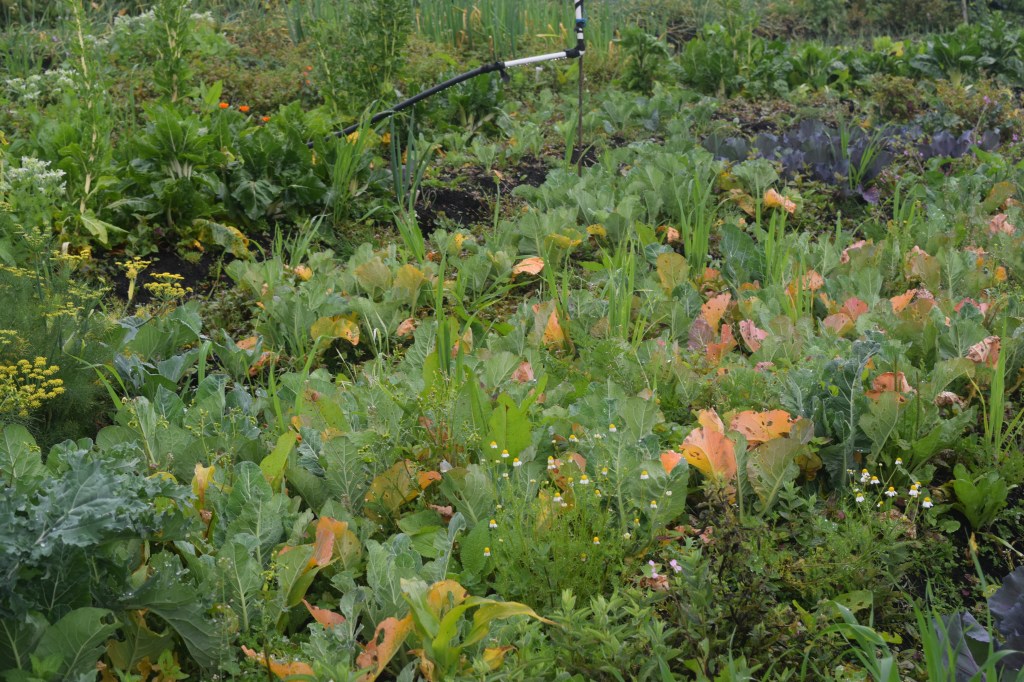

2. Promotes adequate interactions between ecosystems. Agroecology recognizes the memory of ecosystems and seeks to implement crops that properly connect with ecosystems, avoiding negative interactions that can cause ecosystem spread. For example, planting eucalyptus in Andean forest soils like Bogotá and its surroundings increases the risk of fires and rapid spread since this tree contains highly flammable compounds.
3. Agroecology avoids monocultures; crop diversity also brings nutrient diversity to ecosystems, preventing soil erosion and making ecosystems more resilient. Everything in this world is connected, just as soils nourish food, especially seeds, nourish soils.


4. Agroecology protects the vegetation of an ecosystem; diversity makes soils healthier and more resilient to mitigate natural phenomena and, incidentally, to mitigate climate change.
5. Unlike agribusiness agriculture, agroecology has less impact on soils, is less intensive, and allows the conservation of native plants, enabling them to perform their functions properly.


6. Agroecology promotes community irrigation systems. This type of water management usually promotes the rational and collective use of water, so during droughts, it is more likely to prevent fire conflagrations.
7. Fertile soils burn less; agroecology has a lot to do with soil biology and organic matter. Organic matter provides fertility, health, and structure to soils, preventing fires.

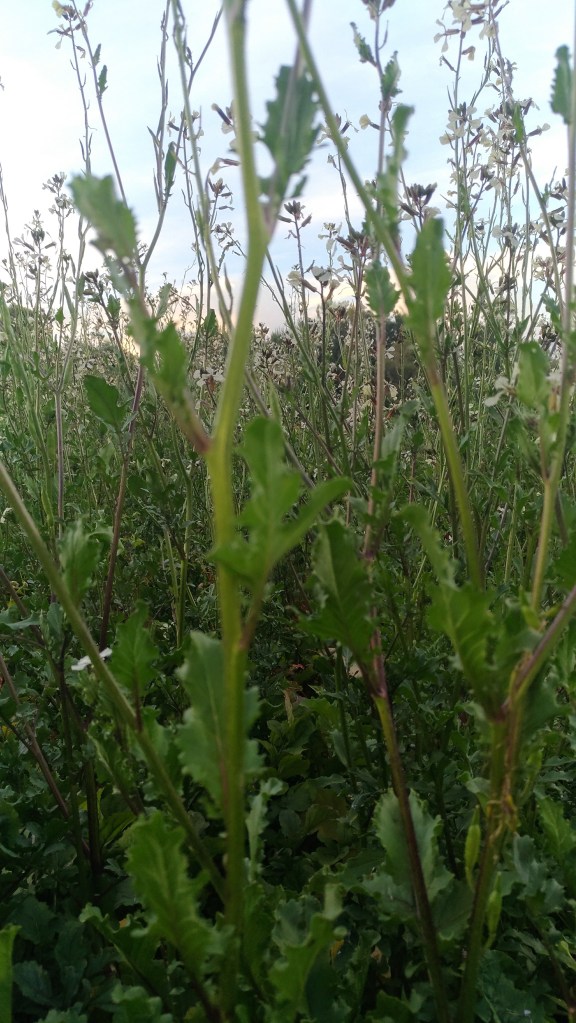
8. Agroecology promotes agroforestry, which refers to a set of land use and management techniques that include the combination of forest trees with agricultural crops, with animals, or with both at the same time, in a plot, either simultaneously or successively, to obtain advantages from the combination. Agroforestry modifies the microclimate and also maintains and improves soil fertility.
9. The use of live barriers is quite common in agroecology. Live barriers are single, double, or triple rows of long-life plants planted 20 to 40 centimeters apart to create barriers that protect crops or other types of ecosystems.

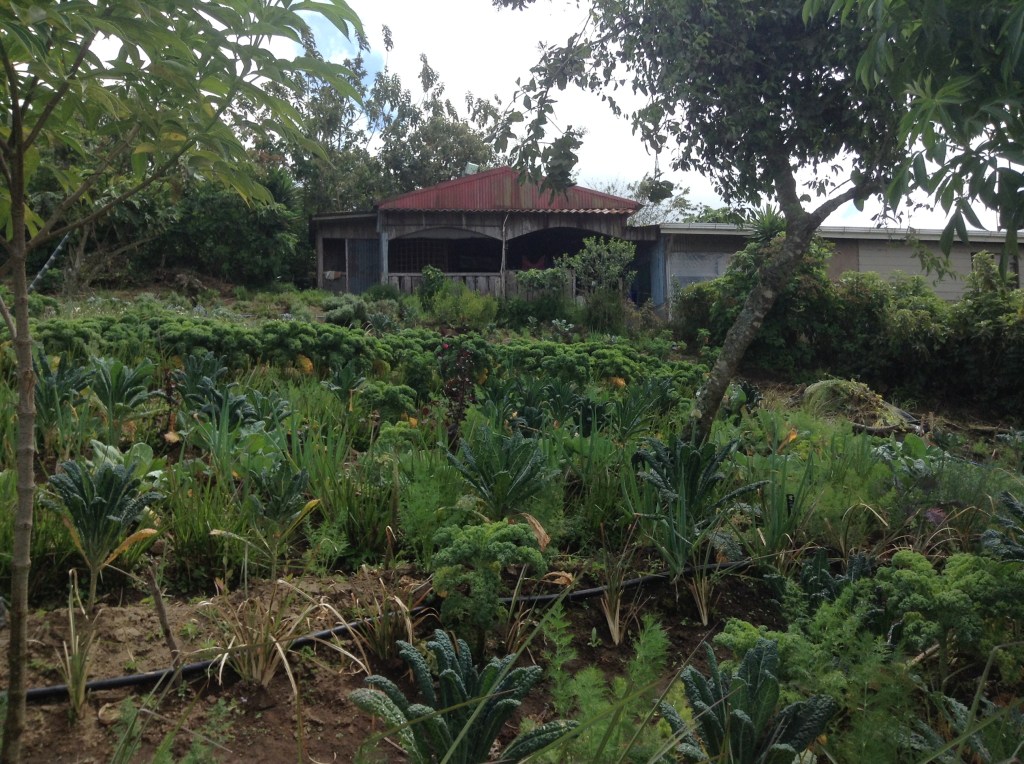
10. Agroecology generates microclimates that attenuate extreme temperatures, reduce evapotranspiration, and decrease wind currents.
What can we do?
Consuming agroecological food, encourages the production of sustainable foods that protect soils. See Del campo a Bogotá: mercados agroecológicos en la capital
Produce agroecologically; implementing agroecological practices in your crops promotes the expansion of more sustainable forms with ecosystems. See La agroecología alimenta al mundo
Avoid crops that do not generate positive synergies; not every crop can be benign for any ecosystem.
It is essential to know the synergies that promote the well-being of ecosystems, which requires a lot of observation and listening with your eyes, as Juan José Paniagua says. See ¿Cómo vivir de la agricultura orgánica en familia?
Avoid being the person who starts fires; always follow the instructions of park rangers and avoid leaving waste when visiting forest areas to prevent conflagrations.

 3colibrís