

By Ana Prada
I met Mario Bonilla in 2013 while conducting research on models of campesino and solidarity economy in Ibero-America. Right away, I was struck by his assertiveness in speaking and his deep connection to traditional knowledge and practices. Since 2017, Mario has focused his experience and knowledge on the autonomous project «Conservation of the Cusiana River Basin», which aims to protect a strategic ecosystem through self-management, solidarity, and environmental education.
The project seeks to conserve the 271 kilometers of the Basin, from its source in the Siscunsí moorland in the municipality of Sogamoso to where it meets the Meta River in the municipality of Maní, Casanare. It has become a hopeful initiative for climate change mitigation and adaptation, as well as for the conservation of our biodiversity, despite the current government’s focus on exploiting natural resources.
Mario is a Colombian activist who has dedicated his life to defending campesino rights and territories. He is also the director of the Agrosolidarity Confederation, a social organization that connects local processes of food sovereignty and ecosystem conservation, promoting solidarity dialogue between peasants and urban dwellers.
The Cusiana River Basin: A Paradise of Biodiversity
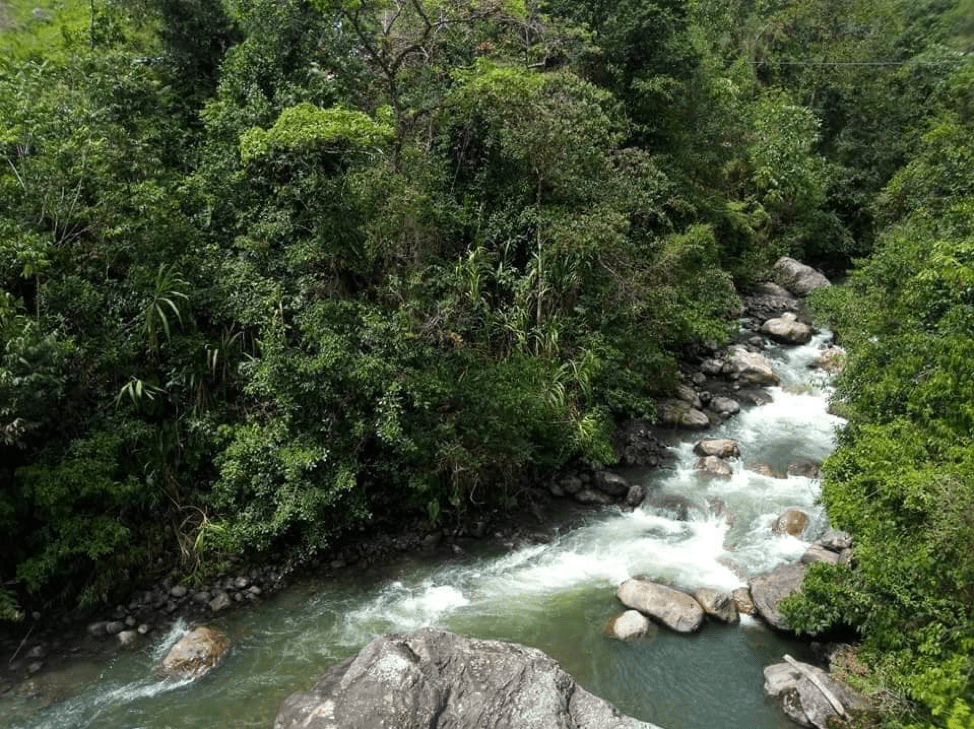
The Cusiana River Basin connects with the Great Orinoco River Basin, the second most important in South America after the Amazon River. Two departments and ten municipalities are part of the Basin. In the department of Casanare, the municipalities include Recetor, Chameza, Tauramena, Yopal, Maní, and Agua Azul; in the department of Boyacá, the municipalities are Aquitania, Labranza Grande, Pajarito, and Sogamoso.

Source: The Coverage of the Cusiana River Basin, Project Website. Agrosolidaria
The areas surrounding the Basin are home to approximately 600,000 people and five strategic ecosystems: the high Andean forest, cloud forest, foothill savanna, floodable savanna, and non-floodable savanna. It is important to remember that Colombia is one of the most biodiverse countries in the world, containing 10% of the planet’s biodiversity.
Practices Threatening the Existence of the Basin
The settlement around the Basin is relatively recent, with colonists arriving from the Boyacá region of the Andes to the plains of Casanare just 100 years ago. As has happened in much of Colombia, land concentration by large landowners has led to the opening of agricultural frontiers driven by peasant families who brought their knowledge and ways of relating to the land and nature, creating new ways to inhabit and territorialize these areas—some with sustainable practices, others not.
In the case of the Cusiana River Basin, the first families to arrive developed unsustainable practices such as extensive livestock farming and soil pastureization, particularly on slopes, alongside deforestation that has caused serious damage to the soils. Currently, the third generation of residents inhabits the Basin, and despite their strong connection to the territory, they continue implementing practices that contribute to soil degradation and ecosystem damage. However, the main socio-environmental risk for the area comes from large hydroelectric projects and the habit of truck drivers stopping by the river to wash their vehicles with its water.
The approval of extractive projects in the territory would amount to environmental genocide, leading to irrecoverable biodiversity loss.
Self-Management and Solidarity for Conservation
The «Conservation of the Cusiana River Basin» project involves local, national, and international actors to acquire conservation areas—3,000 hectares near the Basin aimed at establishing a Civil Society Natural Reserve (RNSC) managed by local families and communities, with management plans for forest conservation.
In Colombia, Civil Society Natural Reserves are recognized under Law 99 of 1993 and are defined as areas that conserve a natural ecosystem under principles of sustainability in the use of natural resources. RNSCs are managed by non-profit organizations.
The project includes a collective purchase of farms for conservation to develop RNSCs and is complemented by an environmental education plan for local populations, particularly designed for youth to develop sustainable environmental practices in the territory.
Additionally, the project seeks to engage local decision-makers, such as Regional Autonomous Corporations, to encourage them to support the conservation of local ecosystems instead of granting licenses for projects that cause irreversible long-term damage by fragmenting social fabrics and destroying ecosystems under the guise of development.
Currently, the project has 133 associates, including 7 collectives and non-profit organizations and 126 individual members. The goal for the future is for the project to become a model of community self-management for the conservation of strategic ecosystems, where families and local communities plan and act together to care for the territory.
How You Can Get Involved in the Project
From anywhere in the world, you can support the «Conservation of the Cusiana River Basin» project through Ecosolidarity investments. With a donation of 105,000 Colombian pesos (about 32 dollars), you can contribute to the conservation of 300 square meters; for every 35,000 Colombian pesos donated (about 12 dollars), it’s possible to conserve 100 square meters.
For more information about the project, you can contact Mario by writing to contacto@agrosolidaria.org, or visit the project’s website: Agrosolidaria.
You can also share this story with your community, family, and friends. This is the moment for the land and the territory; the structural changes we need begin with small, connected local actions, with people like Mario who can dream and unite with others to create more sustainable and supportive ways of living.
At 3Colibrís, we are open to listening, sharing, and supporting experiences like the «Conservation of the Cusiana River Basin» project, which helps guarantee the right to food from the perspective of food security, sovereignty, and autonomy while contributing to ecosystem conservation.
Everyone Can Be Agents of Change—Local Actions Matter!
 3colibrís